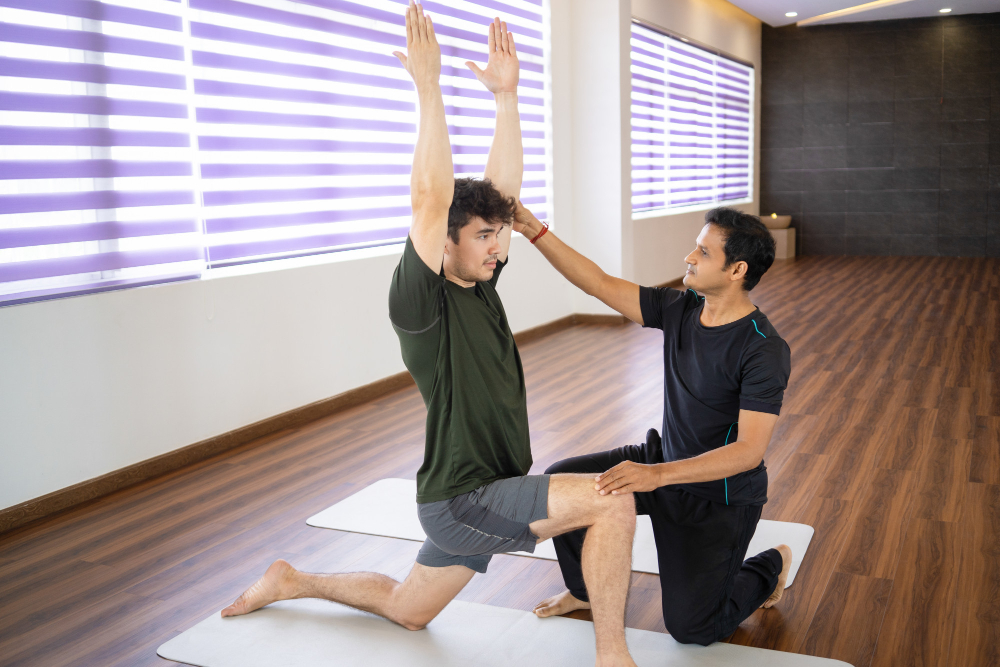
Participating in sports and regular physical activity can improve strength, mobility, cardiovascular fitness, and overall well-being. However, training errors, sudden impacts, repetitive movements, inadequate recovery, and changes in exercise intensity can place extra stress on muscles, tendons, joints, and ligaments. When pain or injury begins to interfere with movement, working with a Sports physiotherapist Singapore can help you understand the problem and follow a structured recovery plan.
Sports physiotherapy is not limited to competitive athletes. It may support recreational runners, gym users, dancers, golfers, cyclists, weekend players, and people returning to activity after a long break. It can also help office workers and less active individuals experiencing musculoskeletal pain caused by prolonged sitting, repetitive tasks, or poor movement patterns.
At iPhysio, sports and musculoskeletal physiotherapy begins with an assessment of the injury, its possible causes, and its effect on movement. Treatment is then personalised according to the individual’s condition, physical demands, and recovery goals.
What Does a Sports Physiotherapist Do?
A sports physiotherapist assesses and manages injuries involving muscles, tendons, ligaments, joints, bones, and nerves. The aim is not only to reduce symptoms but also to restore function and help the patient safely return to daily activity, exercise, or sport.
During an appointment, the physiotherapist may assess joint movement, muscle strength, flexibility, balance, coordination, posture, and sport-specific movement patterns. The findings help determine which tissues may be affected and which factors may have contributed to the injury.
A Sports physiotherapist Singapore may then create a rehabilitation programme that includes education, progressive exercises, movement retraining, and selected hands-on techniques. The plan should reflect the patient’s current ability rather than relying on a standard programme for everyone.
Sports Physiotherapy Is Not Only for Professional Athletes
The term sports physiotherapy can make people assume that treatment is intended only for elite or professional athletes. In reality, sports-related pain can affect anyone who exercises or participates in recreational activities.
A beginner may develop knee pain after increasing running distance too quickly. A gym user may experience shoulder pain after repeated overhead exercises. A casual football player may twist an ankle, while a cyclist may develop back or hip discomfort due to prolonged positioning.
Sports injury physiotherapy Singapore can be adapted to different ages, fitness levels, and activity goals. The rehabilitation needs of someone preparing for a competition will differ from those of a person who simply wants to walk, exercise, or play with their children without pain.
Common Causes of Sports Injuries
Sports injuries do not always result from one dramatic accident. Many develop gradually as repeated physical stress exceeds the body’s ability to recover.
Sudden increases in training volume or intensity can overload tissues that are not yet prepared for the demand. Poor exercise technique, limited mobility, muscle weakness, inadequate rest, unsuitable equipment, and previous injuries may also increase the likelihood of discomfort.
Acute injuries can occur after a fall, collision, awkward landing, sudden change of direction, or forceful movement. These injuries may affect ligaments, muscles, joints, or bones and should be properly assessed before returning to activity.
A Sports physiotherapist Singapore considers both the painful area and the wider factors that may have contributed to the condition.
Common Conditions Managed Through Sports Physiotherapy
Sports physiotherapy may help manage a wide range of acute and gradual-onset musculoskeletal concerns.
Knee Pain
The knee absorbs significant force during running, jumping, squatting, and changing direction. Pain may develop at the front, inside, outside, or back of the knee depending on the structure involved.
Patellofemoral pain, patellar tendon irritation, ligament injuries, and meniscus problems are among the conditions that may require rehabilitation. Assessment may include hip and ankle movement, leg strength, balance, running mechanics, and training load.
Ankle and Foot Injuries
Ankle sprains commonly occur when the foot rolls during landing, running, or a rapid change of direction. Although some ankle sprains improve with time, incomplete rehabilitation may leave ongoing weakness, stiffness, or instability.
Sports injury physiotherapy Singapore may also address Achilles tendon problems, heel pain, plantar fascia irritation, and other foot-related concerns that affect walking or exercise.
Shoulder Pain
Shoulder pain may develop in swimmers, racket-sport players, weightlifters, and people who perform repetitive overhead movements.
Treatment depends on the underlying cause and may include mobility exercises, rotator cuff strengthening, shoulder blade control, movement correction, and gradual exposure to overhead activity.
Elbow and Wrist Pain
Tennis elbow and golfer’s elbow involve pain around the tendons of the forearm. Despite their names, these conditions can affect people who do not play either sport.
Repetitive gripping, lifting, racket use, computer work, and manual tasks may contribute to symptoms. Rehabilitation may focus on managing load, improving strength, and gradually restoring tolerance to repetitive activity.
Muscle Strains
Muscle strains commonly affect the hamstrings, calves, quadriceps, groin, and shoulders. They may occur during sprinting, jumping, kicking, lifting, or sudden acceleration.
Returning to sport immediately after the pain settles may increase the chance of reinjury. A Sports physiotherapist Singapore can guide progressive strengthening and sport-specific loading before full participation resumes.
Back and Neck Pain
Back and neck discomfort may affect athletes as well as people who spend long hours at a computer. Symptoms may be influenced by training demands, repeated bending, lifting, prolonged posture, or reduced movement.
Physiotherapy may include education, mobility work, strengthening, movement modification, and strategies for managing daily or sporting loads.
What Happens During the Initial Assessment?
The first appointment generally begins with a discussion about the injury, symptoms, medical history, activity level, and recovery goals.
The physiotherapist may ask how the injury occurred, which movements cause pain, whether symptoms change throughout the day, and how the condition affects work, sleep, exercise, or sport.
A physical assessment may then examine:
Joint range of motion, muscle strength, flexibility, tenderness, balance, coordination, functional movements, and relevant sport-specific tasks.
The physiotherapist may also assess areas away from the painful site. Knee pain, for example, may be influenced by hip strength, ankle mobility, running technique, or sudden changes in training volume.
The results are used to form a considered diagnosis and develop an individual treatment plan.
Treatment Approaches Used in Sports Physiotherapy
Sports injury physiotherapy Singapore may involve several treatment methods depending on the type and stage of the injury.
Education and Activity Modification
Understanding the injury can reduce uncertainty and help the patient make better recovery decisions. The physiotherapist may explain which activities can continue, which should be adjusted, and how physical load can be gradually increased.
Complete rest is not always necessary. In many situations, maintaining appropriate movement and exercise can support recovery while preventing unnecessary loss of strength and fitness.
Rehabilitation Exercises
Exercise is a central part of sports physiotherapy. A programme may include mobility, strengthening, balance, coordination, endurance, and sport-specific drills.
Exercises are usually progressed as the injured tissue adapts. The patient may begin with simple movements before advancing to heavier resistance, faster movements, jumping, running, or direction changes.
Manual Therapy
Manual therapy may include joint mobilisation, manipulation, or soft tissue techniques. These methods may be used to reduce stiffness, improve movement, and help the patient participate more comfortably in exercise.
Manual therapy is generally most useful when combined with active rehabilitation rather than used as the only treatment.
Dry Needling
Dry needling involves inserting fine sterile needles into selected muscles or myofascial trigger points. It may be used to address muscle tension, pain, or movement restrictions when considered appropriate following assessment.
Dry needling is usually incorporated into a broader programme that includes exercise and movement correction.
Shockwave Therapy
Shockwave therapy may be considered for certain tendon problems or persistent myofascial trigger points. It delivers controlled acoustic waves to the targeted area as part of a wider rehabilitation strategy.
The decision to use shockwave therapy depends on the diagnosis, duration of symptoms, and suitability of the patient.
Taping and Support
Rigid or kinesiology taping may provide temporary support, movement feedback, or symptom management during rehabilitation.
Taping does not replace strength and movement training, but it may complement the recovery plan during selected stages.
Biomechanics Correction
Biomechanics refers to how the body moves and manages physical force. Altered running form, landing technique, joint control, or movement coordination may contribute to repeated tissue overload.
A Sports physiotherapist Singapore may assess these patterns and introduce exercises or technique adjustments to improve movement efficiency.
Rehabilitation After Sports Surgery
Physiotherapy can play an important role after procedures involving ligaments, tendons, cartilage, or joints.
Common post-surgical conditions may include ACL reconstruction, meniscus repair or removal, rotator cuff repair, Achilles tendon repair, and hip or shoulder labral repair.
Post-operative rehabilitation usually progresses through several stages. Early treatment may focus on swelling, pain, movement, and basic muscle activation. Later stages may include progressive strengthening, balance, running preparation, jumping, agility, and sport-specific drills.
The programme must consider healing timelines, surgical guidance, physical progress, and the demands of the activity the patient hopes to resume.
Why Pain Relief Alone Is Not Enough
Pain reduction is an important part of recovery, but the absence of pain does not always mean the body is ready for full sporting activity.
Strength, mobility, balance, coordination, endurance, and confidence may remain below the required level even after discomfort improves. Returning too soon may expose the recovering area to loads it cannot yet tolerate.
Sports injury physiotherapy Singapore therefore focuses on restoring physical capacity as well as managing symptoms. Objective measurements can be used to monitor progress and determine whether the patient is prepared for the next stage of rehabilitation.
Returning to Exercise and Sport Safely
A safe return to sport should be based on progress rather than a fixed date alone.
The physiotherapist may assess whether the patient can complete relevant tasks with adequate strength, control, speed, and confidence. Depending on the sport, this may involve running, jumping, landing, pivoting, lifting, throwing, or repeated movements under fatigue.
Return may happen gradually. A runner might begin with a walk-run programme, while a football player may progress from individual drills to non-contact training and then full participation.
A structured approach helps the body adapt to increasing demands while allowing symptoms to be monitored.
Reducing the Risk of Future Injuries
Not every injury can be prevented, particularly in unpredictable contact or competitive situations. However, certain factors can be addressed to reduce avoidable risk.
A physiotherapist may provide guidance on warm-ups, strength training, mobility, technique, recovery, equipment, and gradual increases in activity. The programme may also address physical weaknesses or movement limitations identified during assessment.
Patients are encouraged to understand how their bodies respond to training so they can recognise early warning signs before symptoms become more disruptive.
When Should You See a Sports Physiotherapist?
You may consider consulting a Sports physiotherapist Singapore when pain limits exercise, symptoms repeatedly return, movement feels restricted, or an injury does not improve as expected.
Assessment may also be appropriate after a significant fall, twist, impact, or sudden loss of function. Severe pain, visible deformity, inability to bear weight, major swelling, numbness, breathing difficulty, or other concerning symptoms may require urgent medical evaluation.
Seeking guidance early can help clarify the injury and prevent unsuitable exercise or prolonged inactivity from delaying recovery.
Why Choose iPhysio for Sports Physiotherapy in Singapore?
At iPhysio, musculoskeletal and sports physiotherapy focuses on diagnosis, possible contributing factors, personalised treatment, and strategies for reducing recurrence.
The clinic supports people with sports injuries, chronic musculoskeletal pain, post-surgical conditions, and movement restrictions. Treatment may incorporate education, exercise rehabilitation, manual therapy, dry needling, shockwave therapy, taping, basic orthoses, and biomechanics correction according to the patient’s needs.
Rather than using the same plan for every injury, the physiotherapist considers the individual’s symptoms, lifestyle, sporting demands, and goals.
Book a Sports Physiotherapy Assessment in Singapore
Pain or injury can make it difficult to continue training, participate in sport, or manage ordinary daily activities. A detailed assessment can help identify the affected structures, contributing movement factors, and the appropriate next steps.
At iPhysio, a Sports physiotherapist Singapore can develop a personalised rehabilitation plan focused on restoring movement, building strength, managing physical load, and supporting a safe return to activity.
Contact iPhysio to arrange an assessment and learn how sports injury physiotherapy Singapore may support your recovery and long-term physical performance.